


Codeine Phosphate 30 mg: Uses, Safety Information and Side Effects
Introduction to Codeine Phosphate 30 mg
Codeine Phosphate 30 mg is a medicine containing codeine phosphate, an opioid medication used in certain circumstances to relieve pain. Depending on the specific authorised product and the patient’s medical needs, codeine may also be prescribed for other symptoms, such as cough or prolonged diarrhoea. Its suitability depends on the formulation, the person’s health, and the advice of a qualified healthcare professional.
Codeine affects the central nervous system and changes how the body perceives pain. Although it can be helpful when prescribed appropriately, it also carries important risks, including drowsiness, breathing difficulties, tolerance, dependence, and addiction. Patients should read the information leaflet supplied with their medicine and follow their prescriber’s instructions.
What Is Codeine Phosphate 30 mg?
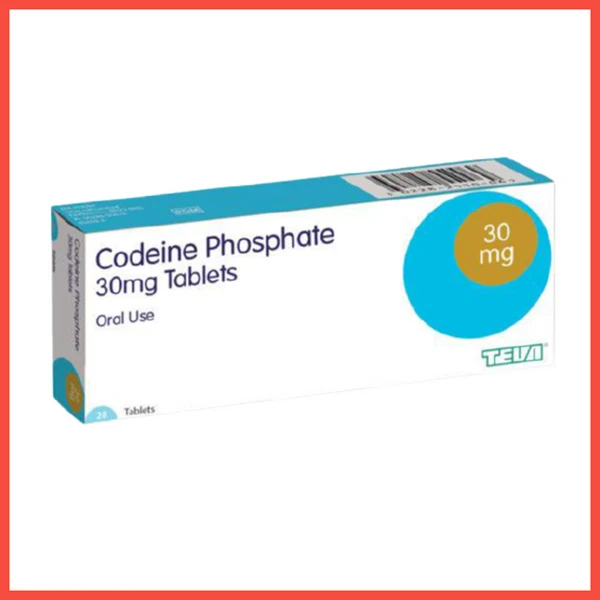
Codeine Phosphate 30 mg tablets contain 30 milligrams of codeine phosphate as the active ingredient. Codeine belongs to a group of medicines known as opioids. The inactive ingredients, tablet appearance, packaging, and authorised uses can vary by manufacturer, so patients should check the product packaging and official patient information leaflet.
Codeine is processed by the liver, where an enzyme converts some of it into morphine. Genetic differences mean that people can respond differently to the same medicine. Some may experience limited pain relief, while others may develop dangerous side effects because their bodies convert codeine into morphine more rapidly.
Medical Uses of Codeine Phosphate
Pain relief
Codeine may be prescribed for certain types of mild to moderate pain when a healthcare professional determines that an opioid is appropriate. The decision depends on the cause and severity of the pain, other available treatments, the patient’s medical history, and the risks of opioid therapy.
Other authorised uses
Some codeine phosphate products have additional authorised uses, which may include cough suppression or symptomatic treatment of prolonged diarrhoea in adults. These uses are not appropriate for every patient or every product. A healthcare professional should confirm whether a particular medicine is suitable for the intended condition.
Possible Side Effects
Codeine Phosphate 30 mg can cause side effects, even when used as prescribed. Common or recognised effects include:
- Drowsiness, dizziness, or light-headedness.
- Nausea and vomiting.
- Constipation.
- Dry mouth.
- Sweating or itching.
Patients should avoid driving, operating machinery, or undertaking hazardous activities if they feel sleepy, dizzy, or otherwise impaired.
Seek emergency medical help if someone taking codeine develops slow, shallow, or difficult breathing, extreme sleepiness, severe confusion, or becomes difficult to wake. These may be signs of a potentially life-threatening opioid overdose.
Warnings and Precautions
Codeine is not suitable for everyone. A doctor or pharmacist should be informed about existing medical conditions, allergies, pregnancy or breastfeeding, and all other medicines or substances being used.
Extra caution is important for people with breathing disorders, liver or kidney problems, a history of substance dependence, or other conditions that may increase opioid-related risks. Codeine must not be given to children under 12 years of age because of the risk of serious breathing problems. Additional restrictions apply to some adolescents.
Alcohol, sleeping tablets, sedatives, benzodiazepines, and other medicines that slow the nervous system can increase the risk of dangerous sedation and breathing suppression when combined with codeine. Patients should check with a healthcare professional before combining medicines.
Dependence, Tolerance and Addiction
Codeine can cause physical dependence and addiction. With repeated use, a person may develop tolerance, meaning the medicine may have less effect over time. This does not mean that increasing the amount independently is safe.
People who have used codeine regularly for a prolonged period may experience withdrawal symptoms if they stop suddenly. Anyone concerned about dependence or stopping treatment should seek medical advice about a safe plan.
Codeine should only be used by the person for whom it was prescribed. It should never be shared with friends or family members, even if they report similar symptoms.
Responsible Use and Medicine Safety
Codeine Phosphate 30 mg should be taken only according to the directions of the prescribing healthcare professional and the product’s official leaflet. Do not take more than prescribed, combine it with other codeine-containing products without professional advice, or use it for longer than recommended.
Keep the medicine in its original packaging, stored securely and out of children’s reach. Unused or expired tablets should be disposed of through a pharmacist or an appropriate medicine-disposal service rather than shared or sold.
When obtaining prescription medicines, use a licensed pharmacy and make sure the medicine is supplied in authorised packaging with appropriate patient information. Avoid websites offering prescription opioids without a valid prescription or proper medical assessment.
Frequently Asked Questions
What is Codeine Phosphate 30 mg used for?
It is an opioid medicine that may be prescribed for certain types of pain. Depending on the specific authorised product, codeine may also have other medical uses. A healthcare professional can confirm the appropriate indication.
Is Codeine Phosphate 30 mg a strong painkiller?
Codeine is an opioid and can provide meaningful pain relief for some patients. Its effect varies between individuals, and it can cause serious adverse effects. Whether it is appropriate depends on a professional assessment.
Can Codeine Phosphate 30 mg cause addiction?
Yes. Codeine can cause tolerance, physical dependence, and addiction, particularly with repeated or prolonged use or when taken other than as prescribed.
Can codeine be taken with alcohol?
Combining codeine with alcohol can increase drowsiness and the risk of dangerous breathing problems. Avoid alcohol while taking codeine unless a healthcare professional has specifically advised you otherwise.
What should someone do if they suspect an overdose?
Seek emergency medical assistance immediately if an overdose is suspected, particularly if the person is unusually sleepy, confused, breathing slowly, or difficult to wake. Do not wait for symptoms to worsen.
Conclusion
Codeine Phosphate 30 mg is an opioid medicine that may have a role in treating selected medical conditions when prescribed and monitored appropriately. Understanding its uses, possible side effects, interactions, and dependence risks is essential for responsible medicine safety. Patients should consult a qualified healthcare professional for individual advice and rely on the official leaflet for their exact product.
| Amount | 30Tabs, 60Tabs, 120Tabs |
|---|
Be the first to review “Codeine Phosphate 30mg”
Related products

pills and tabs

pills and tabs

pills and tabs

pills and tabs

pills and tabs

pills and tabs

pills and tabs

pills and tabs
Reviews
There are no reviews yet.