Tramadol 100 mg Indian Brand (30 Pills): Uses, Side Effects and Safety Guide
Introduction to Tramadol 100 mgPregablin 300mg Capsules
Tramadol 100 mg is a medicine containing tramadol, an opioid painkiller used to treat moderate to severe pain when a healthcare professional considers it appropriate. It acts on the central nervous system to reduce the perception of pain.
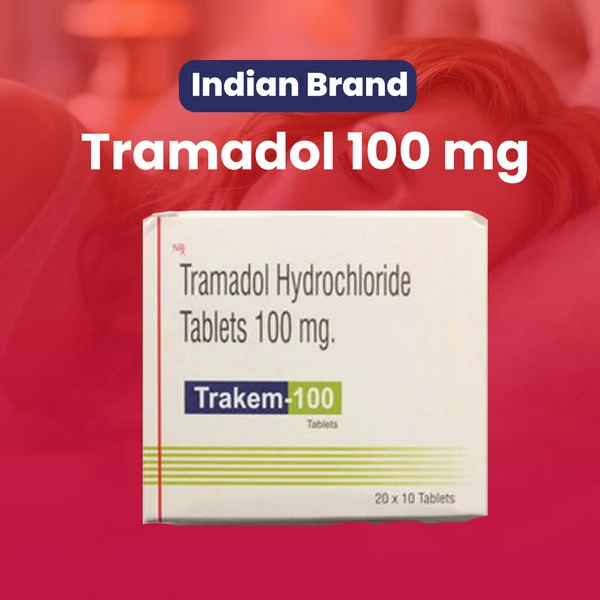
Products described online as “Tramadol 100 mg Indian Brand” may come from different manufacturers and may have different formulations. The exact brand, manufacturer, and whether the product is immediate-release or extended-release should be confirmed from the packaging and official product information.
The description “30 pills” refers to the stated package quantity, not a recommended treatment course. Tramadol can cause serious side effects, dependence, and addiction, so it should only be used with appropriate medical supervision.
What Is Tramadol 100 mg?
Tramadol is an opioid analgesic that works on opioid receptors and also affects the reuptake of certain chemical messengers, including serotonin and noradrenaline. These actions contribute to its pain-relieving effects.
Tramadol is available in different formulations and strengths. A 100 mg product may be an extended-release preparation or another formulation, depending on the manufacturer. These products are not automatically interchangeable.
Always check the label, active ingredient, formulation, manufacturer, and patient information leaflet. A product’s appearance or an online listing alone cannot confirm its identity or authenticity.
Medical Uses of Tramadol
Moderate to severe pain
Tramadol may be prescribed for moderate to severe pain associated with certain injuries, operations, or medical conditions. Whether it is suitable depends on the cause of the pain, the patient’s health, other medicines, and the expected benefits and risks.
Pain management under medical supervision
A healthcare professional may consider tramadol when other suitable treatments have not provided sufficient relief or are not appropriate. Treatment should be reviewed regularly to assess effectiveness, side effects, and the continued need for an opioid.
Tramadol is not intended for unsupervised treatment of unexplained pain or for uses unrelated to its prescribed medical purpose.
Possible Side Effects of Tramadol 100 mg
Tramadol can cause side effects, including:
- Nausea or vomiting.
- Dizziness and drowsiness.
- Headache.
- Constipation.
- Dry mouth.
- Sweating and fatigue.
These effects can interfere with concentration, coordination, and reaction time. Do not drive or operate machinery if you feel sleepy, dizzy, or impaired.
Serious side effects
Tramadol can cause breathing difficulties, seizures, severe allergic reactions, and other potentially serious complications. Seek emergency medical help if someone develops slow or shallow breathing, becomes difficult to wake, collapses, or has a seizure.
Tramadol can also contribute to serotonin syndrome when combined with certain medicines that affect serotonin. Warning signs may include agitation, confusion, fever, sweating, tremor, and a rapid heartbeat. Severe or rapidly worsening symptoms require urgent medical attention.
Important Warnings and Precautions
Tramadol may not be suitable for people with certain breathing disorders, a history of seizures, significant liver or kidney problems, or a history of substance dependence. A prescriber should review relevant medical conditions and current medicines before treatment.
Alcohol should be avoided because it can increase drowsiness and other serious adverse effects. Combining tramadol with benzodiazepines, sleeping tablets, other opioids, or other central nervous system depressants can increase the risk of severe sedation and respiratory depression.
Some antidepressants and other medicines can increase the risk of serotonin syndrome or seizures. Tell your doctor or pharmacist about all prescription medicines, non-prescription products, and supplements you use.
Dependence, Tolerance and Withdrawal
Tramadol can cause physical dependence, tolerance, and addiction. Tolerance means that the body may become less responsive to the medicine over time. Physical dependence means withdrawal symptoms may occur when regular use is reduced or stopped.
Possible withdrawal symptoms include anxiety, restlessness, sweating, shaking, sleep difficulties, and body aches. People who have taken tramadol regularly should consult their prescriber before stopping it; a gradual reduction may be necessary.
Do not increase the amount taken, use another person’s medicine, or extend treatment without professional advice.
Understanding the “30 Pills” Package
A listing described as “Tramadol 100 mg Indian Brand (30 Pills)” indicates a stated strength and quantity, but it does not establish the manufacturer’s identity, authenticity, release mechanism, or legal status.
Before publishing product-specific information, verify:
- The full brand and manufacturer name.
- The active ingredient and stated strength.
- Whether the product is immediate-release or extended-release.
- The packaging, batch number, and expiry date.
- The product’s registration and applicable prescription requirements.
A 30-tablet package should not be presented as a standard treatment course. The prescribed directions and official patient leaflet determine how the medicine should be used.
Responsible Use and Pharmacy Safety
Tramadol should only be used by the person for whom it was prescribed. Keep it securely stored and away from children, and ask a pharmacist about appropriate disposal of unused medicine.
Obtain prescription medicines through a legitimate pharmacy and follow local laws. Avoid sellers that offer opioid medicines without appropriate medical assessment or required authorisation. If the manufacturer’s identity or packaging cannot be verified, consult a pharmacist before relying on the product information.
Frequently Asked Questions
What is Tramadol 100 mg used for?
Tramadol may be prescribed for moderate to severe pain when a healthcare professional determines that an opioid is appropriate.
Does “30 pills” mean a 30-day supply?
No. Package quantity does not determine treatment duration. The appropriate course depends on the formulation, prescribed directions, and individual medical circumstances.
Can Tramadol 100 mg cause addiction?
Yes. Tramadol can cause dependence and addiction, especially with prolonged use or use outside medical directions.
Can tramadol be taken with alcohol?
Alcohol can increase sedation and the risk of serious adverse effects. Avoid alcohol while taking tramadol.
Are all Tramadol 100 mg products the same?
No. Products may differ in manufacturer and release formulation. Immediate-release and extended-release preparations should not be treated as interchangeable without professional advice.
Conclusion
Tramadol 100 mg is an opioid pain medicine used for selected cases of moderate to severe pain. Understanding its possible side effects, interactions, formulation differences, and dependence risks is essential for safe use. The identity and authorisation of any product described as an Indian brand should be verified before making manufacturer-specific claimal
| Amount | 30Tabs, 60Tabs, 120Tabs |
|---|
Be the first to review “Tramadol 100 MG Indian Brand (30 Pills)”
Related products
pills and tabs
pills and tabs
pills and tabs
pills and tabs
pills and tabs
pills and tabs
pills and tabs
pills and tabs
Reviews
There are no reviews yet.