

Zopiclone Actavis 7.5 mg: Uses, Side Effects and Safety Guide
Introduction to Zopiclone Actavis 7.5 mg
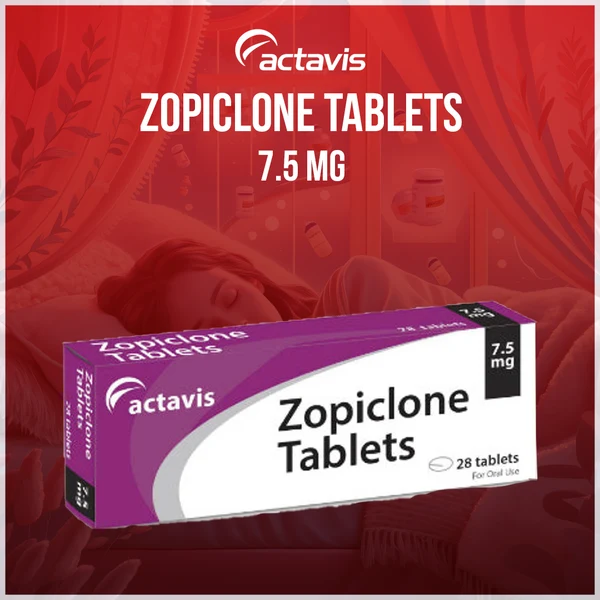
Zopiclone Actavis 7.5 mg is a branded prescription sleeping medicine described as containing 7.5 mg of zopiclone per tablet. Zopiclone belongs to a group of medicines known as Z-drugs, which are used for the short-term treatment of insomnia in adults.
Zopiclone acts on certain receptors in the brain associated with gamma-aminobutyric acid (GABA), a chemical messenger that helps calm nervous system activity. This action helps promote sleep.
The Actavis name alone does not verify the manufacturer or authenticity of a particular package. Check the packaging, active ingredient, product registration details, and patient information leaflet before making brand-specific claims.
What Is Zopiclone Actavis 7.5 mg Used For?
Zopiclone may be prescribed for short-term treatment of significant insomnia in adults. Insomnia can involve difficulty falling asleep, waking repeatedly during the night, or waking too early and being unable to return to sleep.
Sleep problems may affect concentration, mood, energy, and daily functioning. They can also be associated with stress, anxiety, pain, other medical conditions, or the effects of certain medicines.
A healthcare professional can assess the cause of persistent sleep difficulties and determine whether zopiclone is appropriate. It is not intended as an unsupervised long-term treatment for insomnia.
Understanding the 7.5 mg Strength
The 7.5 mg strength refers to the stated amount of zopiclone in each tablet. Zopiclone 7.5 mg is a recognised tablet strength in UK product information. The appropriate dose nevertheless depends on the individual’s health, age, liver function, and other medicines.
Prescribing guidance generally recommends the lowest effective dose for the shortest possible duration. Older adults and people with certain medical conditions may require a lower dose.
Follow the prescription and the patient information leaflet supplied with the exact product. Do not take extra tablets, repeat a dose during the same night, or combine zopiclone with another sleeping medicine unless a qualified prescriber specifically directs you to do so.
How Zopiclone Works
Zopiclone enhances the activity of certain calming pathways in the brain, helping reduce nervous system activity and promote sleep.
The medicine can also affect memory, coordination, judgement, and alertness. Some people experience residual drowsiness or impaired concentration the following morning.
Take the medicine only as directed by your prescriber. Do not drive or operate machinery if you feel sleepy, dizzy, confused, or otherwise impaired after taking it.
Possible Side Effects of Zopiclone Actavis 7.5 mg
Like all medicines, zopiclone can cause side effects. Commonly reported effects include:
- A bitter or metallic taste in the mouth
- Dry mouth
- Drowsiness or tiredness
- Dizziness
- Headache
- Nausea
- Reduced concentration or alertness
Some people may also experience memory difficulties, confusion, irritability, or unusual behavioural changes.
Serious Side Effects
Zopiclone can cause complex sleep behaviours, including sleepwalking, preparing food, making phone calls, or driving while not fully awake. A person may have little or no memory of the event afterwards.
Serious reactions can also include hallucinations, severe confusion, allergic reactions, or breathing difficulties.
Stop taking the medicine and promptly contact a healthcare professional if complex sleep behaviour occurs. Seek emergency assistance for severe breathing problems, collapse, or difficulty waking someone.
Dependence, Tolerance and Withdrawal
Zopiclone can cause tolerance, physical dependence, and addiction. The risk increases with longer treatment and inappropriate use.
Tolerance means the medicine may become less effective over time. Physical dependence means the body has adapted to the medicine and withdrawal symptoms may develop when treatment is reduced or stopped.
Possible withdrawal symptoms include anxiety, agitation, sweating, shaking, disturbed sleep, and rebound insomnia. Severe withdrawal can occasionally cause seizures.
Zopiclone is intended for short-term treatment. Standard UK guidance generally limits treatment to four weeks, including any planned dose reduction. If you have been taking it regularly, consult your prescriber before stopping, as a gradual reduction may be necessary.
Drug Interactions and Safety Precautions
Tell your doctor or pharmacist about all medicines, supplements, and substances you use before taking zopiclone.
Important interactions include:
- Alcohol: Avoid alcohol because it can intensify sedation and increase the risk of breathing problems or difficulty waking.
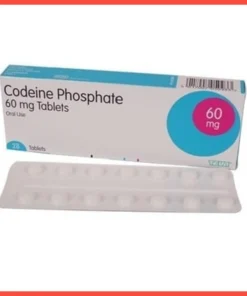
- Opioid medicines: Combining zopiclone with tramadol, codeine, morphine, or other opioids can increase the risk of profound sedation and dangerously slow breathing.
- Benzodiazepines and other sleeping medicines: These can increase impairment and overdose risk.
- Sedating antihistamines: Some allergy medicines can increase drowsiness.
- Certain antidepressants and antipsychotics: These may intensify sedative effects.
- Some antibiotics, antifungals, and antiviral medicines: These may affect how zopiclone is processed in the body.
Zopiclone may not be suitable for people with severe breathing problems, sleep apnoea, severe liver problems, or myasthenia gravis. A healthcare professional should assess these risks before prescribing it.
Keep the medicine securely stored and out of the reach of children. Never share prescription sleeping tablets with another person.
Non-Medicine Approaches to Better Sleep
Addressing sleep habits and underlying health issues can help improve insomnia. Potentially useful measures include:
- Maintaining consistent sleeping and waking times
- Keeping the bedroom dark, quiet, and comfortable
- Limiting caffeine later in the day
- Avoiding alcohol as a sleep aid
- Establishing a relaxing bedtime routine
- Seeking advice if sleep difficulties persist
Cognitive behavioural therapy for insomnia (CBT-I) is an evidence-based approach that helps people address habits and thought patterns that contribute to ongoing sleep difficulties.
Frequently Asked Questions
What is Zopiclone Actavis 7.5 mg used for?
Zopiclone is a prescription medicine used for the short-term treatment of insomnia in adults when a healthcare professional considers it appropriate.
Is 7.5 mg a recognised zopiclone strength?
Yes. Zopiclone 7.5 mg tablets are listed in official UK medicine information. The identity and authenticity of a particular Actavis-branded package should still be verified.
Can zopiclone cause next-day drowsiness?
Yes. It can affect alertness, concentration, and coordination the following day. Do not drive or operate machinery if you feel impaired.
Can zopiclone be taken with alcohol?
No. Alcohol can intensify its sedative effects and increase the risk of serious harm.
Can zopiclone cause dependence?
Yes. Dependence and withdrawal symptoms can occur, particularly with prolonged use. Seek professional advice before stopping regular treatment.
How can someone verify a Zopiclone Actavis product?
Check the active ingredient, strength, manufacturer details, batch number, expiry date, registration information, and patient leaflet. A qualified pharmacist or relevant medicines regulator can help confirm a product’s identity and authenticity.
Conclusion
Zopiclone Actavis 7.5 mg is described as a prescription sleeping medicine containing zopiclone. It is used for short-term treatment of insomnia in adults but carries risks, including next-day impairment, unusual sleep behaviours, dependence, withdrawal symptoms, and dangerous interactions with alcohol or other sedatives.
Use it only under appropriate medical supervision, follow the supplied patient information, and seek professional advice if sleep problems continue or side effects occur.
| Amount | 28Tabs, 56Tabs, 84Tabs, 150Tabs, 300Tabs |
|---|
Be the first to review “Buy Zopiclone Actavis 7.5mg”
Related products
pills and tabs
pills and tabs
pills and tabs
pills and tabs
pills and tabs

pills and tabs
pills and tabs
pills and tabs
Reviews
There are no reviews yet.