
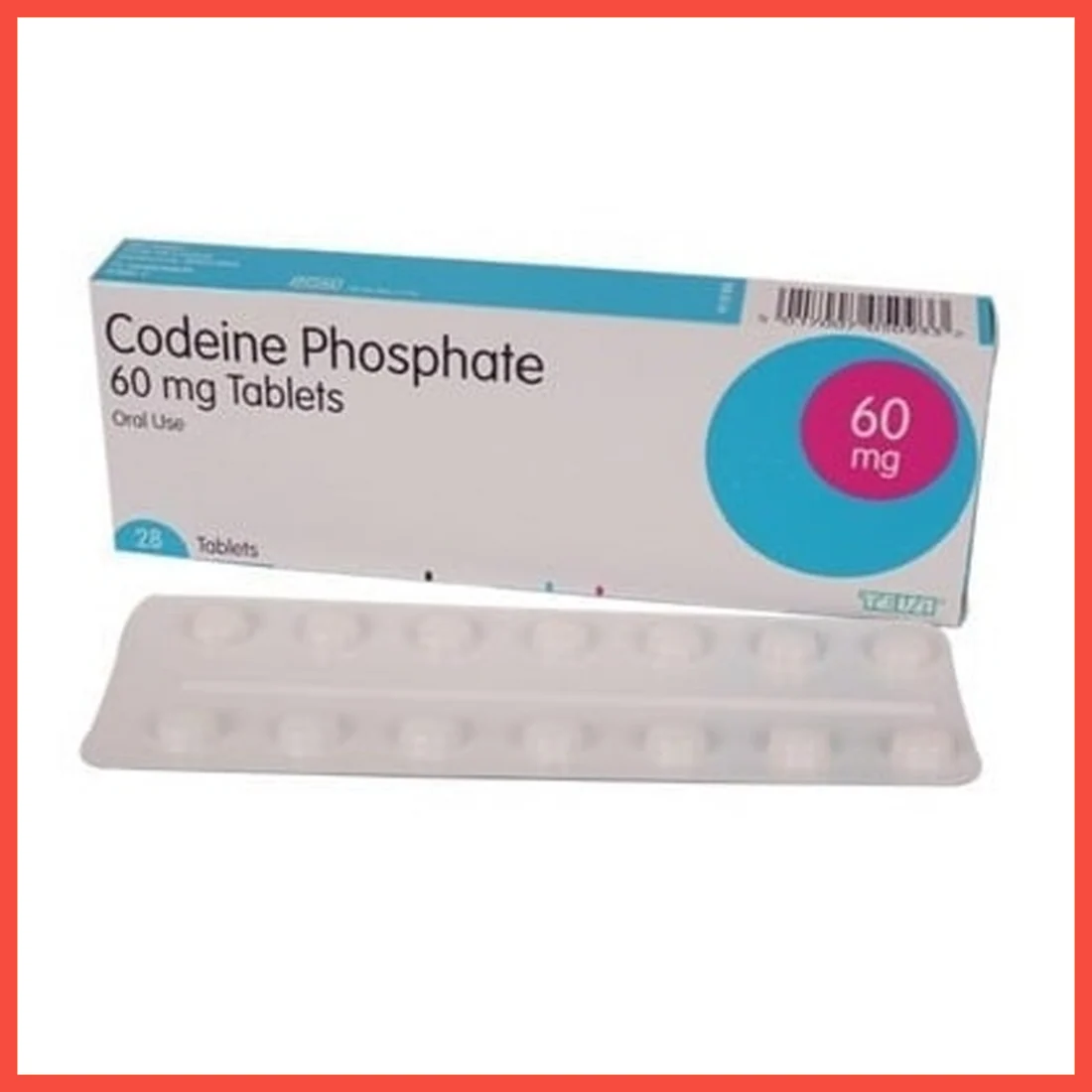


Codeine Phosphate 60 mg (14 Tablets per Pack): Uses, Side Effects and Safety Guide
Introduction to Codeine Phosphate 60 mg
Codeine Phosphate 60 mg is a medicine containing codeine phosphate, an opioid that acts on the central nervous system and may be prescribed for certain types of pain. Depending on the authorised product and clinical circumstances, codeine may also be used for specific symptoms such as a dry cough or diarrhoea.
A pack described as containing 14 tablets refers to the stated pack quantity, not the recommended treatment duration. The exact packaging and product details should be checked against the manufacturer’s label and patient information leaflet.
Codeine is a prescription medicine in many countries and can cause drowsiness, breathing difficulties, physical dependence, and addiction. It should only be used under the guidance of a qualified healthcare professional.
What Is Codeine Phosphate 60 mg?
Codeine Phosphate 60 mg tablets contain 60 mg of codeine phosphate per tablet, although the precise formulation should always be confirmed from the product packaging. Codeine belongs to the opioid class of medicines, which influence how the brain and nervous system process pain signals.
The effects of codeine can vary considerably between individuals. The body converts some codeine into morphine through a liver enzyme, and genetic differences can affect how quickly this happens. As a result, some people may experience stronger effects or serious adverse reactions.
Different manufacturers may use different tablet markings, inactive ingredients, and packaging. A medicine should not be identified by its colour or appearance alone.
Medical Uses of Codeine Phosphate 60 mg
Pain management
Codeine may be prescribed for selected cases of pain when a healthcare professional considers an opioid appropriate. The choice of treatment depends on the cause of the pain, its severity, the patient’s medical history, and whether other treatments are suitable.
Other possible authorised uses
Depending on the specific product and local prescribing guidance, codeine phosphate may have authorised uses for certain cough symptoms or diarrhoea. These uses are not appropriate for every patient, and the indications for one formulation should not automatically be assumed to apply to another.
A doctor or pharmacist can explain the authorised uses of the exact product and whether it is suitable for an individual’s circumstances.
Codeine Phosphate 60 mg: Potential Side Effects
Like other opioid medicines, codeine phosphate can cause side effects. These may include:
- Nausea or vomiting.
- Constipation.
- Drowsiness or dizziness.
- Dry mouth.
- Sweating or itching.
- Light-headedness.
Drowsiness and dizziness can affect concentration, coordination, and the ability to drive safely. Anyone affected should avoid driving and operating machinery.
Serious side effects
Slow or shallow breathing, extreme sleepiness, confusion, or difficulty waking can indicate a dangerous reaction or overdose. Seek emergency medical assistance immediately if these symptoms occur.
Important Warnings and Precautions
Codeine Phosphate 60 mg is not suitable for everyone. Before treatment, patients should tell their healthcare professional about other medicines they take, allergies, pregnancy or breastfeeding, and any history of breathing problems, liver or kidney disease, or substance dependence.
Codeine should not be given to children under 12 years of age because of the risk of serious breathing problems. Additional restrictions apply to some adolescents.
Alcohol can increase the sedative effects of codeine. Combining codeine with benzodiazepines, sleeping tablets, other opioids, or other medicines that depress the central nervous system can increase the risk of severe sedation, respiratory depression, coma, and death. A pharmacist or prescriber should check potential interactions.
Dependence and Addiction Risks
Codeine can lead to tolerance, physical dependence, and addiction. Tolerance occurs when the body becomes less responsive to a medicine over time. Physical dependence means withdrawal symptoms may occur when regular use is stopped or reduced.
Taking more than prescribed, using another person’s medicine, or continuing treatment without medical review increases the risks. People who have been taking codeine regularly for an extended period should speak with their prescriber before stopping suddenly, as a supervised reduction may be needed.
Codeine should never be shared with another person, even if that person appears to have similar symptoms.
Understanding a Pack of 14 Tablets
The description “Codeine Phosphate 60 mg (14 per pack)” identifies a stated strength and pack quantity. It does not establish the product’s manufacturer, authenticity, approved indication, or the appropriate length of treatment.
Before relying on a product listing, check that the packaging identifies the active ingredient, strength, manufacturer, batch number, expiry date, and relevant patient information. A licensed pharmacist can help verify the product and explain its authorised use.
Do not assume that a pack of 14 tablets represents a standard course or that every tablet should be taken. The prescribed directions and official leaflet take priority over online descriptions.
Safe Storage and Responsible Medicine Use
Keep codeine in its original packaging, stored securely and out of the reach of children. Do not use expired or unidentified tablets. Ask a pharmacist about the appropriate disposal of unused medicine.
Only obtain prescription medicines through a legitimate, appropriately licensed pharmacy and with the required medical authorisation. Avoid websites that offer opioid medicines without a valid prescription or suitable medical oversight.
Frequently Asked Questions
What is Codeine Phosphate 60 mg used for?
It may be prescribed for selected types of pain. Certain codeine products also have other authorised uses, depending on the formulation and local guidance. A healthcare professional should confirm the indication for the specific product.
What does “14 per pack” mean?
It indicates that the package is described as containing 14 tablets. It does not indicate the correct dose, how often the medicine should be taken, or how long treatment should continue.
Can Codeine Phosphate 60 mg cause addiction?
Yes. Codeine is an opioid and can cause physical dependence and addiction. It should be used only as prescribed and for the period advised by a healthcare professional.
Can codeine be combined with alcohol?
Combining codeine with alcohol can increase sedation and the risk of dangerously slowed breathing. Avoid alcohol while taking codeine and seek professional advice about other potential interactions.
What should someone do if an overdose is suspected?
Seek emergency medical help immediately. Warning signs include slow breathing, severe sleepiness, confusion, or difficulty waking. Do not wait for symptoms to worsen.
Conclusion
Codeine Phosphate 60 mg is an opioid medicine that may be appropriate for selected medical conditions when prescribed and monitored by a healthcare professional. Understanding its possible uses, side effects, interaction risks, and potential for dependence is essential. The stated 14-tablet pack quantity is a packaging detail and should not be interpreted as dosing advice or a recommended treatment course.
| Amount | 30Tabs, 60Tabs, 120Tabs |
|---|
Be the first to review “BUY Codeine Phosphate 60mg (14 per pack)”
Related products

pills and tabs

pills and tabs

pills and tabs

pills and tabs

pills and tabs

pills and tabs

pills and tabs

pills and tabs
Reviews
There are no reviews yet.