
Diazepam Accord 10 mg: Uses, Side Effects and Safety Information
Introduction to Diazepam Accord 10 mg
Diazepam Accord 10 mg is a medicine containing diazepam, a prescription medication belonging to a class of drugs known as benzodiazepines. It acts on the central nervous system to produce calming, sedative, and muscle-relaxing effects.
Depending on the patient’s condition and the authorised product information, diazepam may be prescribed for short-term relief of severe anxiety, muscle spasms, certain seizure-related conditions, and other specific medical situations. Its use should be assessed and supervised by a qualified healthcare professional.
Although diazepam can be beneficial when medically indicated, it can also cause drowsiness, impaired coordination, tolerance, physical dependence, and addiction. It should not be used without appropriate medical guidance.
What Is Diazepam Accord 10 mg?
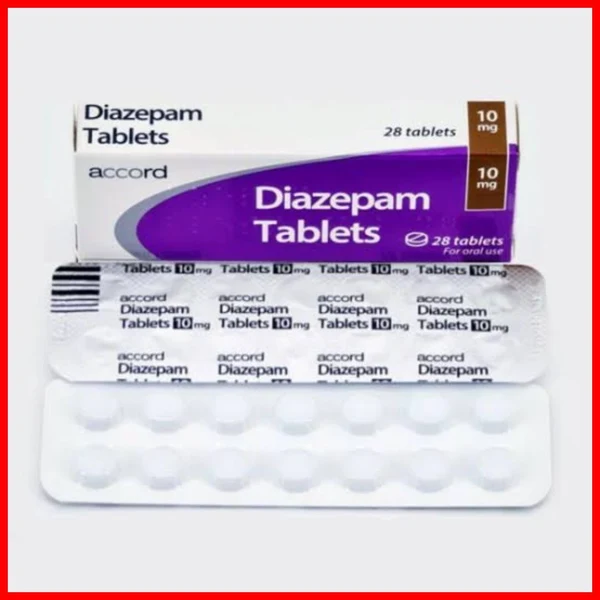
Diazepam Accord 10 mg contains 10 milligrams of diazepam per tablet. Diazepam enhances the activity of gamma-aminobutyric acid (GABA), a chemical messenger that helps regulate activity in the brain and nervous system. This action contributes to its calming and muscle-relaxing effects.
The exact packaging, tablet appearance, inactive ingredients, and authorised indications can vary by market. Always check the product label and official patient information leaflet rather than identifying a medicine by its colour or appearance alone.
Diazepam is a prescription medicine. Whether it is appropriate for an individual depends on their symptoms, medical history, other medicines, and the clinician’s assessment.
Medical Uses of Diazepam
Short-term treatment of severe anxiety
Diazepam may be prescribed for short-term relief of severe, disabling anxiety when a healthcare professional determines that treatment is appropriate. It is generally not intended as a routine long-term solution for everyday stress.
Muscle spasms
Because diazepam has muscle-relaxing properties, it may be used for certain muscle spasms or related conditions. The cause of the symptoms should be assessed to determine the most suitable treatment.
Seizure-related conditions
Diazepam may be used in selected seizure-related situations, sometimes alongside other treatments. Seizures require appropriate medical assessment, and diazepam should only be used for this purpose according to a clinician’s instructions.
Other clinical uses
Depending on the circumstances and local prescribing guidance, diazepam may be used in specific settings involving alcohol withdrawal or as part of medical procedures that require sedation. These uses require professional supervision.
Possible Side Effects of Diazepam Accord 10 mg
Diazepam can cause side effects, including:
- Drowsiness or tiredness.
- Dizziness and light-headedness.
- Muscle weakness.
- Reduced concentration and slower reaction times.
- Confusion or impaired coordination.
Older adults may be particularly vulnerable to falls and confusion. Anyone who experiences drowsiness or impaired coordination should avoid driving, operating machinery, or performing activities that require full alertness.
Serious side effects
Severe sleepiness, unusually slow or difficult breathing, unresponsiveness, or extreme confusion requires urgent medical attention, particularly if diazepam has been combined with alcohol, opioids, or other sedating medicines.
Important Warnings and Precautions
Diazepam may not be suitable for people with certain breathing problems, sleep apnoea, severe liver disease, myasthenia gravis, or a history of adverse reactions to benzodiazepines. A healthcare professional should review relevant medical conditions and other medicines before prescribing it.
Alcohol should be avoided during treatment because it can intensify diazepam’s sedative effects. Combining diazepam with opioids, sleeping tablets, or other central nervous system depressants can cause profound sedation, respiratory depression, coma, or death.
Tell the prescriber if you are pregnant, planning a pregnancy, or breastfeeding. Diazepam may pose risks during pregnancy and can affect a baby, so individual medical advice is important.
Dependence, Tolerance and Withdrawal
Diazepam can cause physical dependence and addiction, even when taken according to medical directions. The risk may increase with higher doses, longer treatment periods, and a history of alcohol or drug problems.
With regular use, the body may become accustomed to the medicine. Stopping suddenly can cause withdrawal symptoms, including anxiety, restlessness, sweating, shaking, sleep problems, and, in severe cases, seizures.
Do not stop diazepam abruptly if you have been taking it regularly. A healthcare professional can advise whether a gradual reduction is needed. Treatment should be reviewed regularly and generally kept as short as clinically appropriate.
Safe Storage and Responsible Use
Diazepam Accord 10 mg should be used only by the person for whom it was prescribed. Do not share tablets, take someone else’s medicine, or change the prescribed directions without medical advice.
Keep the medicine in its original packaging, stored securely and out of children’s reach. Check the expiry date and ask a pharmacist how to dispose of unused tablets safely.
When obtaining diazepam, use an appropriately licensed pharmacy and follow local prescription requirements. Avoid websites that supply prescription sedatives without valid medical authorisation or appropriate professional oversight.
Frequently Asked Questions
What is Diazepam Accord 10 mg used for?
It may be prescribed for short-term relief of severe anxiety, certain muscle spasms, and selected seizure-related or other medical conditions. The appropriate use depends on the patient’s circumstances and the authorised product information.
Is Diazepam Accord 10 mg a benzodiazepine?
Yes. Diazepam belongs to the benzodiazepine class of medicines and acts on the central nervous system to produce calming and sedative effects.
Can Diazepam Accord 10 mg cause addiction?
Yes. Diazepam can cause physical dependence and addiction. The risk increases with prolonged use and may also be affected by dose and individual circumstances.
Can diazepam be taken with alcohol?
Combining diazepam with alcohol can dangerously increase sedation and impair breathing. Avoid alcohol during treatment.
Is it safe to stop diazepam suddenly?
Stopping suddenly after regular use can cause withdrawal symptoms, which may be serious. Speak with a healthcare professional before stopping or reducing the medicine.
Conclusion
Diazepam Accord 10 mg is a prescription benzodiazepine used for selected medical conditions, including short-term relief of severe anxiety and certain muscle spasms. Understanding its possible side effects, interactions, and dependence risks is important for safe use. Patients should follow professional advice, consult the official leaflet for their exact product, and seek medical assistance if serious adverse effects occur.
| Amount | 28Tabs, 56Tabs, 86Tabs |
|---|
Be the first to review “Diazipam Accord 10mg”
Related products

pills and tabs
pills and tabs

pills and tabs

pills and tabs

pills and tabs

pills and tabs
pills and tabs
pills and tabs
Reviews
There are no reviews yet.