
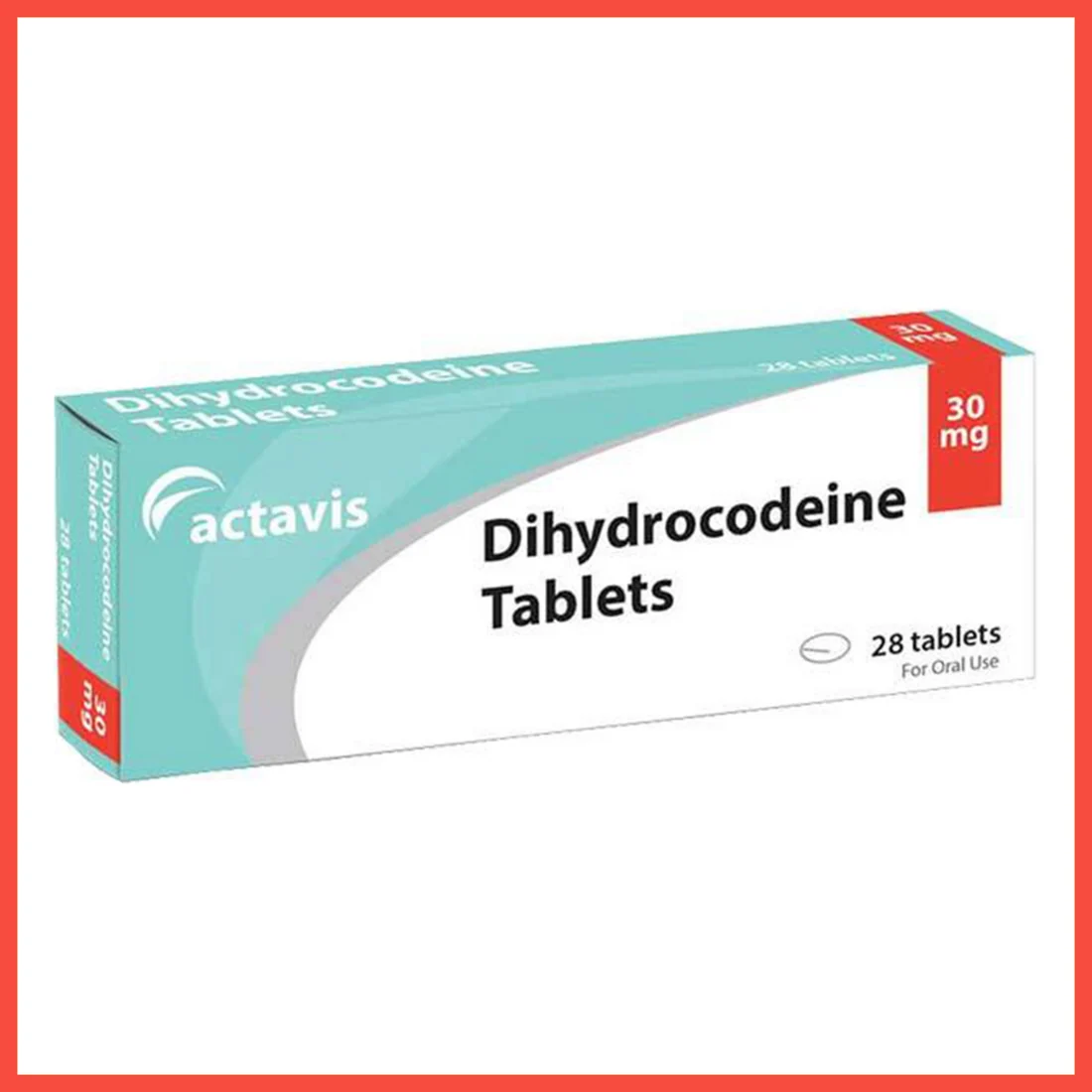


Dihydrocodeine 30 mg (Actavis): Uses, Side Effects and Safety Guide
Introduction to Dihydrocodeine 30 mg
Dihydrocodeine 30 mg is an opioid pain-relief medicine that may be prescribed for moderate to severe pain when a healthcare professional considers it appropriate. It works on the central nervous system to reduce the perception of pain and may be used in situations where other pain-relief options have not provided sufficient relief.
Actavis has been associated with a 30 mg dihydrocodeine tablet product in UK medicine listings. However, product availability and marketing authorisation can change, so the exact manufacturer, current status, and formulation should be confirmed from the packaging and official medicine information.
Dihydrocodeine can cause drowsiness, constipation, breathing problems, physical dependence, and addiction. It should only be used by the person for whom it was prescribed and according to professional instructions.
What Is Dihydrocodeine 30 mg?
Dihydrocodeine is an opioid analgesic. The 30 mg strength refers to the stated amount of the active medicine in each tablet, generally listed as dihydrocodeine tartrate in UK product information.
The medicine acts on opioid receptors in the nervous system to help relieve pain. Its effects and risks vary between individuals, and it is not suitable for every type of pain or every patient.
Patients should check the product name, active ingredient, strength, expiry date, and patient information leaflet before using a medicine. Tablet appearance alone is not a reliable way to identify a product.
What Is Dihydrocodeine 30 mg Used For?
Relief of moderate to severe pain
Dihydrocodeine may be prescribed for selected painful conditions, including some forms of musculoskeletal pain, pain following surgery, and pain associated with serious illness. A clinician considers the cause and severity of the pain, the patient’s medical history, and the benefits and risks of opioid treatment before prescribing it.
When other pain treatments are insufficient
Healthcare professionals may consider an opioid when suitable alternatives have not provided adequate relief or are not appropriate. Treatment should have a clear purpose and be reviewed regularly to determine whether continued use is necessary.
Dihydrocodeine should not be used to self-treat unexplained or worsening pain without appropriate medical assessment.
Possible Side Effects
Like other opioid medicines, dihydrocodeine may cause side effects. Commonly reported effects include:
- Constipation.
- Nausea or vomiting.
- Drowsiness or dizziness.
- Dry mouth.
- Headache.
Drowsiness can affect concentration, balance, and reaction time. Avoid driving or operating machinery if you feel impaired.
Serious side effects
Dihydrocodeine can sometimes cause serious breathing problems. Seek emergency medical assistance if someone taking it develops slow or difficult breathing, extreme sleepiness, severe confusion, or becomes difficult to wake. Swelling of the face or throat and difficulty breathing may also indicate a severe allergic reaction.
Important Warnings and Interactions
Dihydrocodeine may not be suitable for people with certain breathing disorders, severe respiratory depression, or other medical conditions that increase opioid-related risks. A prescriber should assess relevant health conditions and other medicines before treatment.
Alcohol can increase drowsiness and other adverse effects. Combining dihydrocodeine with benzodiazepines, sleeping tablets, other opioids, or other medicines that depress the central nervous system may increase the risk of severe sedation, respiratory depression, coma, and death.
Tell your doctor or pharmacist about all medicines, supplements, and herbal products you use. Do not combine dihydrocodeine with codeine or another opioid unless a healthcare professional has specifically reviewed and approved the combination.
Dependence, Tolerance and Addiction
Dihydrocodeine can cause physical dependence, tolerance, and addiction. Physical dependence means withdrawal symptoms may occur if the medicine is stopped abruptly after regular use. Tolerance means the body may become less responsive to the medicine over time.
Do not increase the amount taken or extend treatment without professional advice. If you have been taking dihydrocodeine regularly for a prolonged period, consult your prescriber before stopping; a gradual reduction may be appropriate.
The medicine should never be shared with another person, even if they have similar symptoms.
Product Identification and Pharmacy Safety
The name “Dihydrocodeine 30 mg (Actavis)” should be matched to the actual product label and patient leaflet before publishing manufacturer-specific claims. Online medicine listings may include discontinued products or historical manufacturer information.
A reliable product record should identify the active ingredient, strength, pharmaceutical form, manufacturer or marketing authorisation holder, and relevant safety information. If any of these details are unclear, ask a pharmacist to verify the product.
Dihydrocodeine is prescription-only in the UK. Obtain prescription medicines only through a legitimate pharmacy and in accordance with the laws of the country where the medicine is supplied. Avoid websites offering opioid medicines without appropriate medical assessment or required authorisation.
Frequently Asked Questions
What is Dihydrocodeine 30 mg used for?
It is an opioid painkiller that may be prescribed for moderate to severe pain when a healthcare professional determines it is appropriate.
Is Dihydrocodeine 30 mg an opioid?
Yes. Dihydrocodeine belongs to the opioid class of medicines and carries risks that include drowsiness, breathing suppression, dependence, and addiction.
Can dihydrocodeine cause addiction?
Yes. Repeated use can lead to physical dependence and addiction. Follow the prescriber’s instructions and discuss any concerns about ongoing treatment with a healthcare professional.
Can dihydrocodeine be taken with alcohol?
Alcohol can increase the sedative effects of dihydrocodeine and may contribute to dangerous breathing problems. Avoid alcohol while taking it.
Is every Actavis-branded 30 mg product currently available?
Not necessarily. Medicine listings and authorizations can change. Check the actual packaging and current official product information or ask a pharmacist to verify the specific product.
Conclusion
Dihydrocodeine 30 mg is an opioid medicine used for selected cases of moderate to severe pain under professional supervision. Understanding its potential benefits, side effects, interactions, and dependence risks is essential for safe use. The exact Actavis product identity and current status should be verified before making brand-specific claims.
| Amount | 28Tabs, 56Tabs, 84Tabs, 112Tabs |
|---|
Be the first to review “Diyhdrocodeine 30 mg (Actavis)”
Related products

pills and tabs
pills and tabs

pills and tabs

pills and tabs

pills and tabs

pills and tabs

pills and tabs

pills and tabs
Reviews
There are no reviews yet.